Living together well: avoiding a clash with your live-in carer
Bringing a carer to live in your relative's home is a big step for everyone. A real clash is very much the exception. When one does happen, it's seldom because two people simply don't get on. Far more often, someone was surprised: by the home, by the job, or by how the household runs. It all comes down to planning ahead, setting expectations, being reasonable on both sides, and doing the right things before the start and in the first weeks.
Talk to your relative first. Whoever is organising the care should sit down with the person being cared for well before the carer arrives. Explain who's coming, why, and what they'll help with, and listen to any worries. Nobody likes a stranger turning up unannounced, so make sure there are no surprises for them either.
Be open in your application. Tell us about the hard days as well as the good ones: who else lives in the house or calls in, the stairs, the nights up, the pets, how far it is to the shops. Your carer and our team go on what you write. Not sure of something? Ask a brother or sister to look over it with you. A carer who knows what to expect stays.
Meet before you choose. Talk to two to four carers, then call your favourite again with your relative beside you. Even ten minutes on a video call tells you both a lot. See five steps to the right carer.
Give your carer a place of their own. Their room is their home now, and somewhere to retreat to when they need it: a good bed, somewhere to sit, a lamp, maybe a small desk or table. A quiet corner, a sitting room they can use or the garden helps too. Everyone needs a bit of space, your relative included. See getting the room and house ready.
Talk about living together. Agree the small things early: knocking on the carer's door, visitors, phone calls home, quiet hours, the TV and the kitchen, food, and whether they stay in or go out on their days off. None of it is awkward before day one. It's very awkward after.
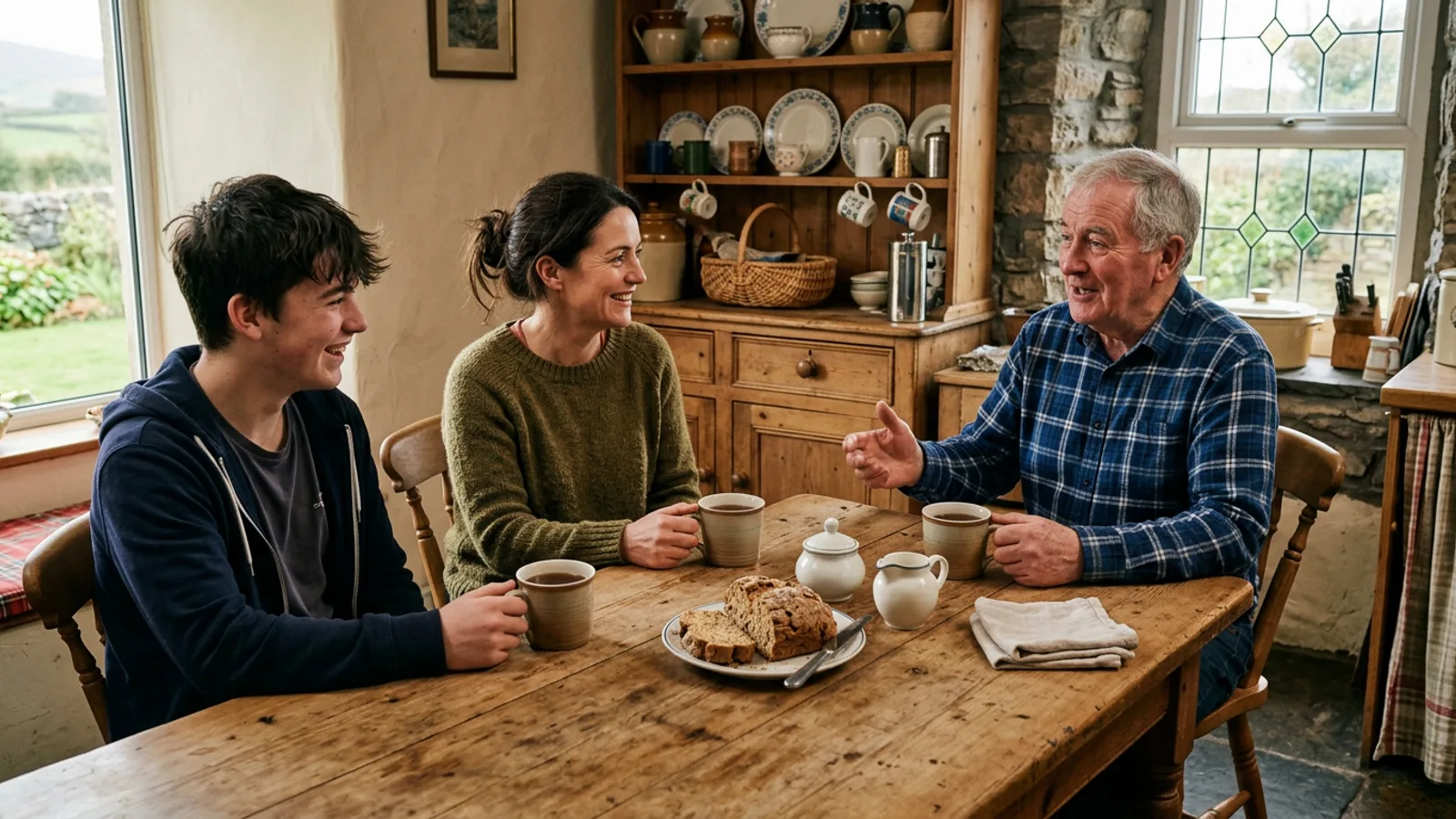
Go slowly at the start. Be there for the first days. Have a cup of tea together, show them round, and let the routine build up bit by bit. If your relative needs a little time to get used to someone new, that's normal. More in the first days: be there.
Keep talking. A short chat once a week, and speak early when something small bothers you. Most things are sorted with a kind word on a Tuesday rather than a row on a Saturday.
If it isn't a fit, the first 3 weeks are a trial for both sides. Ring us early: we'll talk it through, and help you find the right person if it comes to that.
We handle the contract, Revenue and payroll, so your time goes into getting the start right.
Ready to find your carer?
Join the waiting list